
 By
By 
Our homes are meant to be safe havens, yet hidden within the walls of even the most pristine houses are risks that can turn comfort into chaos. From legal pitfalls to unexpected hazards, being aware of what your home might be hiding is the first step toward true security.
Hidden Hazards You Never See
Many homeowners focus on obvious dangers like faulty wiring or slippery floors, but subtle threats often go unnoticed. For instance, improperly documented renovations can create legal headaches if someone gets injured on your property. Studies show that nearly 30% of home-related legal disputes stem from overlooked structural changes or unclear ownership of upgrades.
Mold, asbestos, and outdated electrical systems are more than health concerns—they can impact property value and lead to costly legal claims. Even seemingly minor issues like a leaky roof or old plumbing can escalate into claims that affect insurance coverage, making it essential to follow a thorough legal checklist before buying or selling property.
Legal Red Flags in Your Home
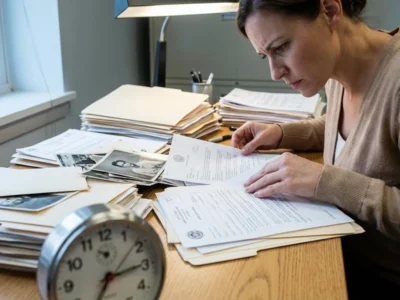
It’s not just physical risks to worry about. Many homeowners are unaware of legal exposures hidden in property documents. Zoning violations, unpermitted constructions, or boundary disputes can surface unexpectedly during property sales or renovations. According to real estate analysts, over 25% of property lawsuits are triggered by permit and documentation oversights.
Keeping records, permits, and insurance policies up to date is crucial. Consult a trusted legal expert, such as an Austin Rideshare Accident Lawyer, to review your documents and clarify potential liabilities. Even a quick consultation can prevent a minor oversight from becoming a major legal issue. Professionals like Applewhite Law Firm provide guidance on personal injury claims, liability concerns, and property-related disputes, helping homeowners navigate risks confidently.
Practical Steps to Protect Your Home
1. Inspect Thoroughly: Conduct regular professional inspections. Catching mold, pests, or structural issues early prevents both health hazards and legal headaches.
2. Document Everything: Maintain clear records for renovations, repairs, and property boundaries. This simple step can safeguard against disputes.
3. Know Local Laws: Understanding zoning, rental, and safety regulations helps avoid penalties. Local statutes often have nuanced clauses that surprise homeowners.
4. Insurance Review: Ensure your homeowner’s insurance covers potential hazards, including natural disasters and liability for accidents on your property.
5. Consult Experts: Lawyers specializing in real estate and personal injury can help identify hidden exposures and offer actionable advice.
Real-World Lessons
Consider a homeowner who added a backyard deck without permits. A guest slipped on the wet surface, leading to a costly injury claim. Proper document management and legal guidance could have mitigated the financial burden. Another example is a mold infestation in a historic home; delayed recognition not only damaged property but led to insurance disputes that lasted months. Awareness and proactive measures make the difference.
The Bottom Line
Your home can be a sanctuary or a source of risk, depending on how you manage hidden dangers. By staying vigilant, documenting carefully, and seeking expert advice when necessary, you can transform potential hazards into manageable challenges. A house is more than walls and a roof—it’s a space where safety, legality, and peace of mind converge. Taking steps today ensures it remains the haven it was meant to be.









Comments