
 By
By 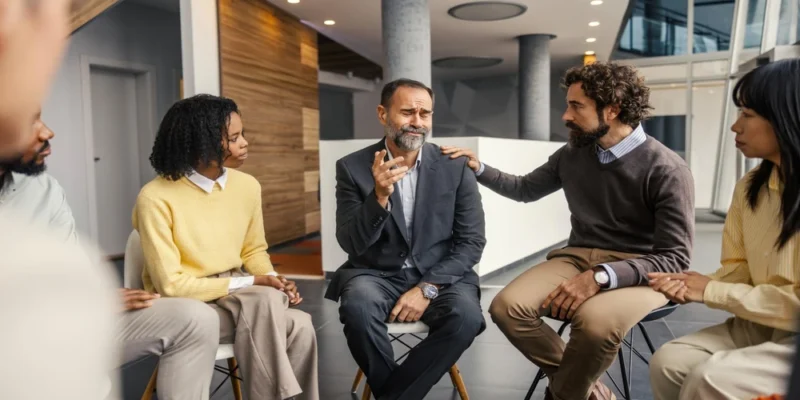
Communities play a vital role in promoting safety, preventing harm, and supporting individuals during recovery. Whether through education, awareness, resources, or emotional support, strong communities can help create environments where people feel protected, valued, and connected.
Prevention Starts With Awareness
Community education can help individuals recognize harmful behaviors, understand available resources, and learn how to respond when someone needs help. Awareness initiatives often encourage open conversations that reduce stigma and promote early intervention.
When people understand the signs of potential harm, they are better equipped to support one another.
Creating Safe and Supportive Environments
Healthy communities encourage respect, inclusion, and accountability. Schools, workplaces, neighborhoods, and organizations can help foster environments where individuals feel safe reporting concerns and seeking assistance when needed.
A supportive environment can reduce feelings of isolation and increase access to helpful resources.
Providing Emotional Support
Recovery is often easier when individuals have access to supportive relationships. Friends, family members, community groups, and peer networks can offer encouragement, understanding, and practical assistance during difficult times.
Even small acts of support can have a meaningful impact on someone’s recovery journey.
Connecting People With Resources
Communities often serve as a bridge between individuals and professional services. Local organizations, support groups, healthcare providers, and advocacy programs can help connect people with the assistance they need.
Access to information and resources can improve outcomes and strengthen long-term recovery efforts.
Encouraging Long-Term Healing
Recovery is rarely a quick process. Ongoing community support can help individuals maintain stability, build resilience, and continue moving forward. Consistent encouragement and access to resources often contribute to lasting positive outcomes.
Final Thoughts
Communities play an important role in both preventing harm and supporting recovery. Through awareness, education, emotional support, and access to resources, communities can help create safer environments and encourage healing for those facing difficult challenges. Strong connections and collective support often make a meaningful difference in the recovery process.
This article was written by Alla Tenina. Alla is a top Orange County personal injury attorney, and the founder of Tenina Law. She has experience in bankruptcies, real estate planning, and complex tax matters. The information provided on this website does not, and is not intended to, constitute legal advice; instead, all information, content, and materials available on this site are for general informational purposes only. Information on this website may not constitute the most up-to-date legal or other information. This website contains links to other third-party websites. Such links are only for the convenience of the reader, user, or browser; the ABA and its members do not recommend or endorse the contents of the third-party sites.







Comments